



Jaipur, India
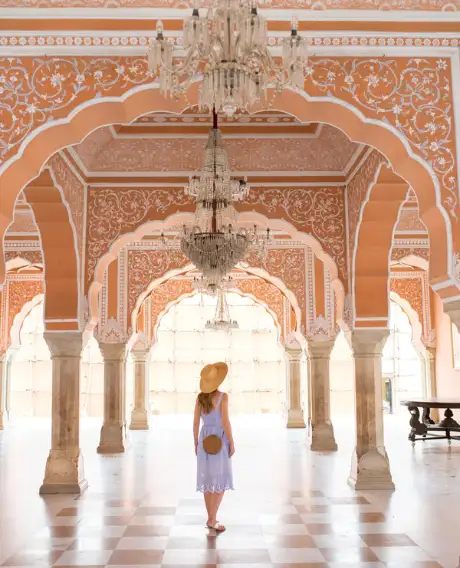
Country: India
State: Rajasthan
City: Jaipur
Details:
Jaipur: The Pink City of India – A Journey Through History, Culture, and Architecture
Jaipur, the vibrant capital of Rajasthan, is often referred to as the "Pink City" because of its stunning pink-hued buildings. This historic city offers a unique blend of royal history, rich culture, stunning architecture, and vibrant traditions that captivate visitors from around the world. Whether you're an architecture enthusiast, history lover, or simply someone looking for an extraordinary cultural experience, Jaipur has something to enchant everyone.
History of Jaipur: A City Steeped in Royalty
Founded in 1727 by Maharaja Sawai Jai Singh II, Jaipur was meticulously planned by the renowned architect Vidyadhar Bhattacharya based on the principles of Vastu Shastra, making it one of India’s first planned cities. The city’s design is a blend of traditional Hindu and Mughal architecture, and Jaipur quickly became a prominent center for culture, administration, and arts.
Known as the "Pink City" since 1876 when it was painted in honor of the Prince of Wales' visit, Jaipur continues to retain its old-world charm. The city’s royal legacy can still be seen in its grand palaces, imposing forts, and vibrant markets. As a major part of the Rajputana Agency under British rule, Jaipur evolved into a center of historical significance, continuing to showcase its royal heritage to this day.
What to See and Experience in Jaipur
Jaipur is home to numerous historical landmarks and cultural experiences that leave visitors in awe. Here are some of the top attractions in Jaipur that should be on your itinerary:
1. Amber Fort (Amer Fort)
Amber Fort is a breathtaking 16th-century fortress located on a hilltop just outside Jaipur. Built by Maharaja Man Singh I, the fort is a blend of Rajput and Mughal architectural styles, known for its grand entrance, intricate carvings, and stunning Sheesh Mahal (Mirror Palace). Visitors can explore the beautiful courtyards, temples, and enjoy an elephant ride up to the fort's entrance.
2. City Palace
Located in the heart of Jaipur’s Old City, the City Palace is a majestic residence of the royal family. The palace complex is a fine example of Mughal and Rajput architectural styles and houses the Chandra Mahal and Mubarak Mahal. The museum inside showcases royal costumes, artifacts, and collections that reflect Jaipur’s rich cultural heritage.
3. Hawa Mahal (Palace of Winds)
Hawa Mahal, built in 1799, is one of Jaipur's most iconic landmarks. Known for its intricate honeycomb structure with 953 small windows, the palace was designed to allow the royal women to observe street life without being seen. It offers incredible views of the bustling city and is a great spot for photos.
4. Jantar Mantar
A UNESCO World Heritage Site, Jantar Mantar is an 18th-century astronomical observatory built by Maharaja Jai Singh II. It houses giant instruments designed to measure time and celestial bodies, including the world's largest stone sundial, the Samrat Yantra. Jantar Mantar is a must-visit for those interested in astronomy and ancient science.
5. Jaigarh Fort
Jaigarh Fort, located on the Aravalli Hills, is known for its well-preserved architecture and impressive collection of military structures. The fort houses the world’s largest cannon on wheels, the Jaivana Cannon. From the fort, you can enjoy a panoramic view of Jaipur and the nearby Amber Fort.
6. Albert Hall Museum
The Albert Hall Museum is Jaipur’s oldest museum, showcasing a diverse collection of artifacts, textiles, jewelry, and sculptures. It’s a prime example of Indo-Saracenic architecture and a great place to explore Rajasthan’s history and culture.
7. Nahargarh Fort
Perched high on the Aravalli Hills, Nahargarh Fort offers some of the most spectacular views of Jaipur. Built in 1734 by Maharaja Sawai Jai Singh II, this fort is famous for its vibrant murals, beautiful step wells, and the Madhavendra Bhawan with suites for royal guests. It’s a popular spot for sunset views of the Pink City.
Things to Do in Jaipur
Beyond sightseeing, Jaipur offers a plethora of activities that give visitors a deeper insight into its culture and traditions:
1. Shopping at Jaipur's Colorful Markets
Jaipur is famous for its vibrant markets, where you can shop for traditional handicrafts, jewelry, textiles, and more. Johari Bazaar, Bapu Bazaar, and Tripolia Bazaar are great places to buy block-printed fabrics, precious gemstones, handmade leather products, and other Rajasthani crafts.
2. Experience Rajasthani Folk Music and Dance
Jaipur is known for its rich cultural heritage, which is expressed through its folk music and dance performances. Many venues in the city offer traditional performances of Ghoomar (Rajasthani folk dance) and Kalbeliya (snake charmer dance), accompanied by music played on traditional instruments like the dholak and sarangi.
3. Relish Rajasthani Cuisine
Rajasthani cuisine is one of the most distinctive and flavorful in India. Jaipur offers a wide range of traditional dishes such as dal baati churma, laal maas, ker sangri, and gatte ki sabzi. Don’t forget to try the delicious sweets like ghewar and malpua. For a cultural experience, dine at Chokhi Dhani, a traditional village resort offering Rajasthani cuisine and cultural performances.
4. Hot Air Balloon Ride
For a unique and breathtaking view of Jaipur, consider taking a hot air balloon ride. This adventure will offer you stunning aerial views of the palaces, forts, and landscapes surrounding the city. It’s an unforgettable way to experience the beauty of the Pink City.
5. Visit Birla Mandir
The Birla Mandir is a beautiful marble temple dedicated to Lord Vishnu and Goddess Lakshmi. Located on Moti Dungari Hill, the temple offers panoramic views of Jaipur and is a peaceful place to relax and reflect.
Famous Things About Jaipur
1. The Pink City
Jaipur’s signature pink color comes from the terracotta-colored buildings that line its streets, a tradition that dates back to 1876 when the city was painted pink to welcome Prince Albert. This iconic feature is what gives Jaipur its nickname, the "Pink City."
2. Traditional Handicrafts
Jaipur is renowned for its exquisite handicrafts, including block-printed textiles, pottery, and jewelry. It’s also famous for gemstone cutting and jewelry-making. These crafts make for excellent souvenirs that you can take home.
3. Rajasthani Cuisine
Rajasthan’s cuisine is bold, flavorful, and diverse. Jaipur’s food scene is a culinary delight, offering a variety of savory and sweet dishes that reflect the region’s rich culinary heritage.
Tourism in Jaipur: Essential Tips and Travel Information
Best Time to Visit
The best time to visit Jaipur is during the cooler months between October and March, when the weather is pleasant for sightseeing. The summer months (April to June) can be extremely hot, while the monsoon season (July to September) brings occasional rains.
How to Get There
Jaipur is well-connected by air, rail, and road. The city’s international airport offers both domestic and international flights, while Jaipur Railway Station is connected to major Indian cities.
Accommodation
Jaipur offers a range of accommodation options, from luxurious heritage hotels to budget-friendly guesthouses. For an unforgettable experience, consider staying at heritage hotels like Rambagh Palace or Jai Mahal Palace, which offer royal treatment and a glimpse into Jaipur’s regal past.
Conclusion: Explore the Charm of Jaipur
Jaipur is a city of architectural splendor, vibrant culture, and royal history. From its iconic palaces and forts to its colorful markets and delicious cuisine, Jaipur offers an unparalleled experience for every kind of traveler. Whether you're exploring the majestic Amber Fort, shopping in the bustling bazaars, or enjoying traditional Rajasthani dance and food, Jaipur is sure to leave you with lasting memories. Plan your visit to Jaipur today and immerse yourself in the beauty and history of the Pink City.