


Polonnaruwa, Sri Lanka
Country: Sri Lanka
State: North Central Province
City: Polonnaruwa
Details:
Exploring Polonnaruwa: Sri Lanka's Ancient Capital and Cultural Treasure
Polonnaruwa, once known as Pulathisipura and Vijayarajapura, is a city that offers visitors a deep dive into Sri Lanka’s fascinating history, culture, and architectural brilliance. Located in the North Central Province, this UNESCO World Heritage site is one of the country's most historically significant cities. As the second-oldest capital of Sri Lanka, Polonnaruwa is home to well-preserved ruins, ancient Buddhist temples, palaces, and impressive monuments, all of which offer a glimpse into the grandeur of the Polonnaruwa Kingdom.
A Brief History of Polonnaruwa
Polonnaruwa’s history stretches back to the 10th century when it first became a military post under the Sinhalese kingdom. It later gained prominence as the capital after the invasion of the Chola dynasty, who renamed the city Jananathamangalam following their conquest of Anuradhapura. This period marked the beginning of a rich and prosperous era for Polonnaruwa, with the establishment of vast irrigation networks, the construction of temples and palaces, and the expansion of the city’s infrastructure.
During the reign of King Parakramabahu I (1153–1186 AD), Polonnaruwa flourished as a hub for cultural, religious, and agricultural advancement. The king’s efforts to manage water systems, most notably the construction of the Parakrama Samudra, a massive man-made reservoir, allowed the kingdom to thrive through innovative irrigation systems.
By the 13th century, Polonnaruwa began to decline and eventually became overshadowed by the rising influence of other regions. However, it remains one of Sri Lanka’s most prominent archaeological and cultural landmarks.
What to See in Polonnaruwa: Key Attractions
1. Polonnaruwa Old Town: A Walk Through History
The heart of Polonnaruwa’s ancient city lies in the Polonnaruwa Old Town, where visitors can explore a variety of ancient ruins that span a vast area of approximately 4 kilometers from north to south. This area is home to remarkable structures and historical sites, including:
- The Royal Citadel: Once the royal palace complex, this site houses the ruins of the ancient palace where the kings of Polonnaruwa resided. The site is a focal point for understanding the city’s royal past.
- The Quadrangle: A compact area featuring an impressive collection of religious and cultural monuments, the Quadrangle offers a glimpse into the architectural prowess of the era. Notable structures here include the Kiri Vehera Stupa and the Tivanka Image House.
- Gal Vihara (Stone Temple): One of the most famous sites in Polonnaruwa, Gal Vihara is home to a series of magnificent rock-cut Buddha statues, carved directly into a granite rock face. The statues here are exquisite examples of Sri Lankan craftsmanship and Buddhist art.
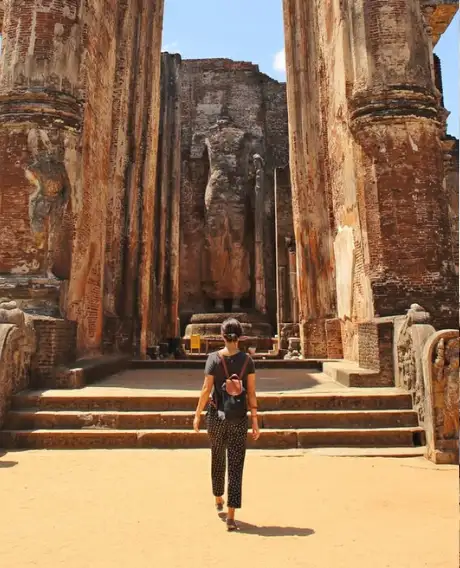
- Lankatilaka: Known as the "Ornament of Lanka," this ancient temple is a must-see. Lankatilaka showcases remarkable stone architecture and is an example of the grandeur of Polonnaruwa's sacred sites.
- Rankoth Vihara: A massive stupa that stands as one of the largest in Polonnaruwa, the Rankoth Vihara is surrounded by serene gardens, adding to its spiritual significance.
- Alahana Pirivena Monastery: This complex includes a collection of ancient monasteries and meditation halls, offering insight into the religious life of Polonnaruwa’s residents.
- Gal Pota (Stone Book): A massive stone slab inscribed with ancient writing, the Gal Pota is a remarkable artifact that offers a fascinating glimpse into the ancient script and religious practices of the time.
2. Parakrama Samudra: The Sea of King Parakramabahu
On the western edge of Polonnaruwa, you’ll find the vast Parakrama Samudra, an artificial lake created by King Parakramabahu I in the 13th century. Spanning over 2,500 acres, this engineering marvel once provided irrigation to the kingdom’s agricultural lands. Today, it remains one of the largest and most impressive man-made lakes in Sri Lanka, offering a peaceful setting for relaxation and photography.
3. Polonnaruwa Museum: Start Your Journey Here
Before exploring the ancient city, a visit to the Polonnaruwa Museum is highly recommended. The museum offers a wealth of knowledge on the history and culture of the city, showcasing artifacts, sculptures, and detailed exhibits that provide context for the ruins you'll encounter. It’s a great place to get an overview of the kingdom’s history, as well as the technological and cultural advancements that made Polonnaruwa such an important city in ancient Sri Lanka.
Things to Do in Polonnaruwa
- Cycling Tour: Polonnaruwa is one of the best places in Sri Lanka to explore by bicycle. Renting a bike and cycling through the ancient ruins is an excellent way to experience the historical sites up close while enjoying the fresh air and scenic beauty of the surrounding area.
- Explore the Ancient Water Management Systems: Polonnaruwa is famous for its sophisticated water management systems, including canals, reservoirs, and tanks. Visitors can explore these ancient structures that continue to play a vital role in Sri Lanka’s agriculture and irrigation.
- Boat Ride on Parakrama Samudra: A boat ride on the Parakrama Samudra lake is a relaxing way to experience the beauty of the surroundings and gain a different perspective on this massive ancient engineering project.
- Photography: The grandeur and beauty of Polonnaruwa’s ruins, particularly the statues and stupas, make it a photographer’s dream. Be sure to capture the ancient architecture, intricate carvings, and serene landscapes during your visit.
- Cultural Festivals: If you visit during a religious festival, such as the Poson Poya Festival, you can witness the sacred atmosphere of Polonnaruwa at its best. The city is illuminated, and religious ceremonies take place throughout the city, creating a vibrant and spiritual environment.
Why Visit Polonnaruwa?
Polonnaruwa offers a unique opportunity to immerse yourself in the ancient culture and heritage of Sri Lanka. The city’s well-preserved ruins provide a window into the grandeur of the Polonnaruwa Kingdom and its lasting influence on Sri Lanka’s culture and religion. Whether you’re exploring the ancient temples, marveling at the stone carvings, or simply relaxing by the serene Parakrama Samudra lake, Polonnaruwa promises a rich and unforgettable experience.
Practical Tips for Visiting Polonnaruwa
- Best Time to Visit: The best time to visit Polonnaruwa is between December and April, during the dry season, when the weather is more comfortable for exploring outdoor ruins.
- Getting There: Polonnaruwa is approximately 220 kilometers (137 miles) from Colombo and can be reached by car, bus, or train. It’s well connected to the rest of the country, making it an accessible destination.
- Accommodation: Polonnaruwa offers a range of accommodation options, from budget guesthouses to more luxurious hotels, with many situated close to the ancient city’s attractions.
Conclusion
Polonnaruwa is a city where history comes alive. With its ancient ruins, beautiful architecture, and deep cultural significance, it offers a unique insight into Sri Lanka’s glorious past. Whether you're a history buff, a cultural explorer, or someone looking to experience the serenity of ancient Buddhist temples, Polonnaruwa is a destination you won’t want to miss.